
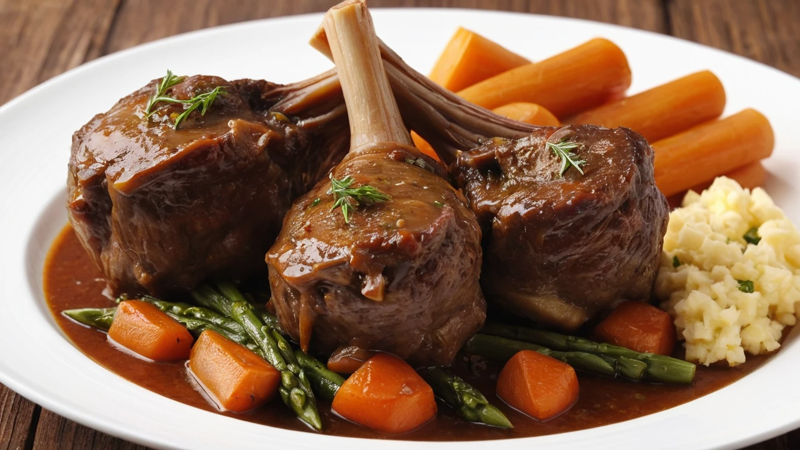
Lamb shank nutrition offers high protein, iron, zinc, and collagen-rich benefits that support muscle growth, energy, and overall health.
Lamb shank nutrition is packed with high-quality protein, iron, zinc, collagen, and essential vitamins. This flavorful cut of meat supports muscle growth, energy production, and joint health while delivering rich taste and satisfying texture. When cooked properly and eaten in moderation, lamb shank can fit into a balanced diet.
Lamb Shank Nutrition: Is This Rich Cut Actually Healthy? 🤔
Have you ever wondered if lamb shank is just comfort food or if it actually offers real nutritional value? Many people avoid red meat because they think it is unhealthy. But lamb shank may surprise you with its impressive nutrient profile and health benefits.
Lamb shank comes from the lower leg of the lamb. It is known for its rich flavor and tender texture after slow cooking. This cut contains protein, healthy fats, vitamins, minerals, and natural collagen. Because it is usually braised slowly, the meat becomes soft and easy to digest.
For people looking for satisfying meals that also provide nutrition, lamb shank can be a smart option. It delivers important nutrients your body needs daily. Plus, it feels hearty and comforting, making it perfect for colder months or family dinners 🍲.
What Is Lamb Shank? 🥩
Lamb shank is a cut taken from the lower section of the lamb’s leg. Since this muscle works hard, the meat contains connective tissue and collagen. That is why it becomes incredibly tender when cooked slowly over several hours.
Unlike lean cuts like lamb loin, lamb shank has a richer texture and deeper flavor. It is often braised, roasted, or slow-cooked with herbs and vegetables. The bone also adds flavor and nutrients to the dish.
This cut is popular in Mediterranean, Middle Eastern, and American comfort cooking. Many chefs love it because it creates a luxurious texture without needing complicated preparation. Slow cooking transforms it into a fall-off-the-bone meal 😋.
Lamb Shank Calories And Macronutrients 📊
Lamb shank provides a balanced mix of protein and fat. The exact nutrition depends on preparation style and serving size. A slow-braised lamb shank usually contains moderate calories while offering excellent satiety.
The protein content helps maintain muscles and keeps you full longer. The fat contributes flavor and provides energy. Since lamb shank is nutrient-dense, small portions can still feel satisfying.
| Nutrient | Per 100g Cooked Lamb Shank |
| Calories | 220–260 |
| Protein | 24–28g |
| Fat | 12–16g |
| Carbohydrates | 0g |
| Iron | 2.1mg |
| Zinc | 4mg |
Many people following low-carb or keto diets enjoy lamb shank because it contains no carbohydrates. It fits well into high-protein eating plans too.
High-Quality Protein Benefits 💪
Protein is one of the biggest nutritional advantages of lamb shank. Your body needs protein for muscles, hormones, skin, and tissue repair. Lamb provides all nine essential amino acids, making it a complete protein source.
Eating enough protein can help maintain strength as you age. It also supports workout recovery and helps control appetite. Since lamb shank is rich and filling, it may reduce unnecessary snacking throughout the day.
Athletes and active adults often choose lamb because of its amino acid profile. The protein in lamb supports lean muscle development and tissue healing. Slow-cooked lamb shank also feels easier to chew and digest than tougher cuts.
Iron In Lamb Shank Supports Energy ⚡
Lamb shank is naturally high in heme iron, which is easier to absorb than plant-based iron. Iron helps your body produce healthy red blood cells and transport oxygen.
Low iron levels may cause fatigue, weakness, and poor concentration. Including iron-rich foods like lamb can support energy levels and reduce tiredness. This makes lamb especially valuable for women and active individuals.
Many Americans struggle to get enough iron from their diets. Lamb shank offers a flavorful way to improve iron intake naturally. Pairing it with vitamin C-rich vegetables may boost absorption even more 🍋.
Zinc And Immune Health 🛡️
Zinc is another important nutrient found in lamb shank. Your immune system relies on zinc to function properly. It also helps with wound healing and healthy skin.
Lamb contains more zinc than many other protein sources. This makes it especially beneficial during times of stress or seasonal illness. Zinc also supports hormone balance and reproductive health.
People who avoid seafood sometimes lack zinc in their diets. Lamb shank can help fill that nutritional gap while adding variety to meals. The combination of zinc and protein makes this meat highly nourishing.
B Vitamins In Lamb Shank 🌟
Lamb shank contains several important B vitamins, especially vitamin B12 and niacin. These nutrients help convert food into usable energy. They also support brain and nervous system function.
Vitamin B12 is especially important because it is mainly found in animal foods. Low B12 levels can lead to fatigue and nerve issues. Lamb shank offers a natural way to maintain healthy levels.
Here is a quick look at the key vitamins in lamb shank:
| Vitamin | Main Benefit |
| Vitamin B12 | Supports nerve health |
| Niacin (B3) | Helps energy production |
| Riboflavin (B2) | Supports metabolism |
| Vitamin B6 | Helps brain function |
These nutrients work together to support overall wellness. That is one reason lamb can be part of a nutrient-rich diet.
Healthy Fats In Lamb Shank 🥑
Not all fats are bad. Lamb shank contains healthy fats that support hormone production and brain health. Grass-fed lamb may also contain more omega-3 fatty acids than conventionally raised meat.
The fat in lamb helps create a rich and satisfying flavor. It also slows digestion, helping you feel fuller longer. This can reduce overeating later in the day.
Still, portion control matters. Lamb shank is more fatty than lean poultry or fish. Eating balanced servings with vegetables creates a healthier overall meal.
Collagen And Joint Support 🦴
One unique benefit of lamb shank is its collagen content. Because this cut contains connective tissue, slow cooking releases collagen into the broth and meat.
Collagen supports healthy joints, skin, hair, and connective tissues. Many people now consume collagen supplements, but lamb shank offers a natural source through food.
The gelatin-rich broth created during cooking may also support gut health. This comforting texture is one reason slow-braised lamb feels deeply nourishing and satisfying.
Is Lamb Shank Good For Weight Loss? ⚖️
Lamb shank can fit into a weight-loss plan when eaten in moderation. Its high protein content helps reduce hunger and supports muscle maintenance during calorie restriction.
Because lamb is filling, smaller portions often satisfy cravings better than processed foods. Pairing lamb shank with vegetables instead of heavy starches can create a balanced meal.
However, cooking methods matter. Creamy sauces and excess oil can quickly increase calories. Choosing slow-braised or roasted preparations keeps the dish healthier.
Lamb Shank Vs Other Cuts Of Lamb 🍖
Different lamb cuts vary in fat, tenderness, and calories. Lamb shank is richer than loin chops but often more flavorful.
Here is how lamb shank compares with other popular cuts:
| Lamb Cut | Protein | Fat | Texture |
| Lamb Shank | High | Moderate | Tender |
| Lamb Loin | High | Lower | Lean |
| Lamb Shoulder | Moderate | Higher | Rich |
| Lamb Rack | High | Moderate | Juicy |
Lamb shank stands out because of its collagen and deep flavor. It is also often more affordable than premium cuts like lamb rack.
Best Cooking Methods For Nutrition 🍲
Cooking style affects both flavor and nutrition. Slow braising is the most popular method because it softens connective tissue without drying out the meat.
Healthy cooking ideas include:
- Braising with broth and vegetables
- Slow cooking with herbs and garlic
- Roasting with olive oil and rosemary
- Serving with roasted carrots or greens
Avoid deep frying or heavily processed sauces. These methods can add unnecessary calories and sodium. Fresh herbs and spices create flavor naturally 🌿.
Is Grass-Fed Lamb Better? 🌱
Grass-fed lamb usually contains higher omega-3 fats and antioxidants. It may also have slightly less overall fat compared to grain-fed lamb.
Many people prefer grass-fed meat because it is more natural and environmentally friendly. The flavor can be stronger and more earthy too.
While grass-fed lamb may cost more, some consumers believe the nutritional improvements are worth it. If available, it can be a healthier option for regular consumption.
Sodium And Cholesterol Concerns 🩺
Like many red meats, lamb shank contains cholesterol. However, dietary cholesterol affects people differently. For most healthy adults, moderate lamb intake is acceptable.
Sodium levels depend heavily on seasoning and sauces. Restaurant dishes often contain much more sodium than homemade versions. Preparing lamb at home gives you better control over ingredients.
If you have heart concerns, balance lamb meals with fiber-rich foods like vegetables and beans. Eating a varied diet matters more than avoiding one specific food entirely.
Lamb Shank In Popular Diets 🥗
Lamb shank works well in many eating styles because it is naturally low in carbs and high in protein.
It fits into:
- Keto diets
- Paleo diets
- Mediterranean diets
- High-protein meal plans
- Low-carb lifestyles
Because it is nutrient-dense, lamb supports satiety and balanced eating. It can replace processed protein sources with a more natural whole-food option.
Portion Size Recommendations 🍽️
Even healthy foods should be eaten in balanced portions. A serving of lamb shank is usually about 3 to 5 ounces of cooked meat.
Larger restaurant servings may contain double that amount. Splitting portions or pairing lamb with vegetables can help maintain balance.
A healthy plate might include:
- One serving of lamb shank
- Roasted vegetables
- Leafy greens
- A light whole grain or beans
This approach creates a satisfying meal without excess calories.
Who Should Eat Lamb Shank? 👨👩👧
Lamb shank may benefit people needing extra protein, iron, or calories. Athletes, older adults, and people recovering from illness often appreciate nutrient-rich meals.
Children may also benefit from the iron and zinc in lamb. The soft texture after slow cooking makes it easier to chew.
However, people with certain medical conditions may need to limit red meat intake. Speaking with a healthcare provider can help determine personal dietary needs.
Potential Downsides Of Lamb Shank ⚠️
While nutritious, lamb shank still contains saturated fat. Eating excessive amounts regularly may not support heart health goals.
Processed lamb dishes can also contain high sodium levels. Heavy gravies and creamy sauces add calories quickly. Choosing simple preparations is the healthier option.
Moderation remains important. Eating lamb occasionally as part of a balanced diet is usually a smart approach.
Tips For Buying Quality Lamb 🛒
Fresh, high-quality lamb tastes better and may provide better nutrition. Look for meat with a pink-red color and creamy white fat.
Helpful shopping tips include:
- Choose grass-fed when possible
- Buy from trusted local butchers
- Avoid overly processed products
- Check freshness dates carefully
Frozen lamb can also be nutritious if properly stored. Quality matters more than fancy packaging.
Easy Healthy Lamb Shank Meal Ideas 🍴
Healthy lamb meals do not need to be complicated. Simple ingredients often create the best flavor.
Try these ideas:
- Braised lamb with carrots and onions
- Garlic rosemary lamb shank with greens
- Slow cooker lamb stew with vegetables
- Mediterranean lamb with tomatoes and herbs
Adding vegetables boosts fiber and balances the richness of the meat. Fresh herbs also brighten the dish naturally.
Conclusion 🌟
Lamb shank nutrition offers far more than rich flavor and comfort. This hearty cut provides high-quality protein, iron, zinc, collagen, and essential B vitamins that support energy, muscle health, and overall wellness. When prepared with healthy ingredients and eaten in balanced portions, lamb shank can absolutely fit into a nutritious lifestyle.
The key is moderation and smart cooking methods. Slow braising with vegetables and herbs creates a satisfying meal without unnecessary additives. Whether you follow a high-protein diet, low-carb lifestyle, or simply enjoy wholesome comfort food, lamb shank can be a delicious and nourishing choice 🍖.
FAQs
Is Lamb Shank Healthy For Muscle Growth?
Yes, lamb shank is excellent for muscle growth because it contains complete protein and essential amino acids. Protein helps repair and build muscle tissue after exercise. It also supports recovery and strength maintenance.
How Many Calories Are In Lamb Shank?
A 100-gram serving of cooked lamb shank usually contains 220 to 260 calories. The exact amount depends on cooking style and fat content. Slow-braised versions may contain slightly more calories.
Is Slow Cooked Lamb Shank Nutritious?
Yes, slow cooking helps preserve flavor and soften collagen-rich tissues. This method creates tender meat while releasing beneficial gelatin into the broth. It also reduces the need for heavy sauces.
Can You Eat Lamb Shank On Keto Diet?
Absolutely. Lamb shank contains almost no carbohydrates and provides healthy fats and protein. It fits very well into ketogenic and low-carb meal plans. Pairing it with non-starchy vegetables works best.
Does Lamb Shank Have Collagen Benefits?
Yes, lamb shank naturally contains collagen from connective tissues and bone. Slow cooking releases gelatin that may support joints, skin, and gut health. Many people enjoy it as a natural collagen-rich food.

