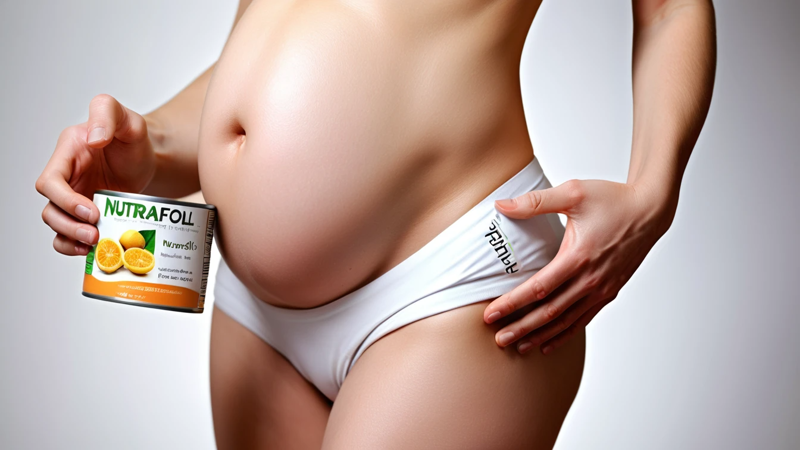
Is Nutrafol safe for pregnancy? Learn the risks, ingredients, doctor advice, and safer hair growth options during pregnancy.
Wondering if Nutrafol is safe during pregnancy? Most doctors recommend avoiding standard Nutrafol supplements while pregnant unless your OB-GYN approves them. Some ingredients, including herbs and high-dose nutrients, may not be fully studied for pregnancy safety. Always check with your healthcare provider before taking hair growth supplements during pregnancy.
Is Your Hair Supplement Really Pregnancy-Safe? 🤰
You finally found a hair supplement that works. Your hair feels thicker, stronger, and healthier. Then you discover you’re pregnant. Suddenly, one question takes over your mind: Is Nutrafol safe for pregnancy?
This concern is more common than you think. Many women use hair growth supplements before pregnancy and feel unsure about stopping them. After all, pregnancy already causes huge hormonal changes, hair shedding, and stress.
The short answer is simple. Most Nutrafol products are not specifically recommended during pregnancy unless approved by your doctor. That’s because several ingredients have limited research on pregnant women. While some vitamins may be safe, certain herbs and botanicals may not be ideal during pregnancy.
What Is Nutrafol And Why Is It So Popular? 🌿
Nutrafol is a hair wellness supplement designed to support hair growth from the inside out. It targets common causes of hair thinning like stress, hormones, inflammation, and poor nutrition. Many people use it to improve hair thickness and reduce shedding.
Unlike basic biotin supplements, Nutrafol contains a blend of vitamins, minerals, adaptogens, and herbal extracts. That combination is one reason the brand became so popular in the hair care world. People often see noticeable improvements after several months of use.
The supplement is marketed as a science-backed solution for hair loss. It is commonly recommended by dermatologists and hair specialists. Still, pregnancy changes everything when it comes to supplement safety.
Why Pregnancy Changes Supplement Safety ⚠️
During pregnancy, your body becomes more sensitive to certain herbs, vitamins, and compounds. Ingredients that are harmless for most adults may affect hormone levels, blood flow, or fetal development. That is why doctors often ask pregnant women to avoid unnecessary supplements.
The challenge with hair supplements is that many include herbal blends. Unfortunately, herbs are not always tested thoroughly in pregnant women. Limited research means experts cannot guarantee complete safety.
Even natural ingredients can carry risks during pregnancy. “Natural” does not automatically mean safe. That’s why prenatal vitamins are carefully formulated while many beauty supplements are not.
Nutrafol Ingredients That Raise Pregnancy Concerns 🧴
Several Nutrafol ingredients may cause concern during pregnancy. The exact formula varies depending on the product type, but many contain herbal ingredients with limited pregnancy research.
Here are some commonly discussed ingredients:
| Ingredient | Why It May Be A Concern |
| Ashwagandha | May affect hormones and uterine activity |
| Saw Palmetto | Can influence hormone levels |
| Marine Collagen | Safety depends on source and purity |
| Curcumin | High doses may not be ideal during pregnancy |
| Tocotrienols | Limited pregnancy safety data |
Some healthcare providers are especially cautious about adaptogens like ashwagandha. These herbs may interact with stress hormones and immune responses. While beneficial for some adults, pregnancy requires extra caution.
Many doctors recommend avoiding supplements with large herbal blends unless clearly approved for pregnancy use.
Does Nutrafol Have A Pregnancy-Safe Version? 👶
Nutrafol has introduced products designed for postpartum women, but there is no universally recognized “pregnancy-safe” version specifically approved for pregnant women. This often creates confusion among expecting mothers.
Some people assume prenatal-friendly branding means the products are safe throughout pregnancy. That is not always true. Postpartum products are usually intended for use after delivery, not during pregnancy.
Before using any Nutrafol product while pregnant, carefully review the label and speak with your OB-GYN. Every pregnancy has unique health considerations.
What Doctors Usually Recommend During Pregnancy 🩺
Most OB-GYNs prefer pregnant women to keep supplementation simple. Prenatal vitamins are usually enough for healthy hair support during pregnancy. In many cases, pregnancy hormones naturally improve hair thickness anyway.
Doctors may recommend focusing on:
- Balanced nutrition
- Iron-rich foods
- Protein intake
- Hydration
- Prenatal vitamins
- Stress management
Hair loss treatments and beauty supplements are rarely top priorities during pregnancy. The main goal is protecting both mother and baby.
If hair thinning becomes severe, your doctor may test for iron deficiency or thyroid issues instead of recommending hair supplements immediately.
Can Nutrafol Affect Hormones During Pregnancy? 🔬
Some Nutrafol ingredients may influence hormone activity. This matters because pregnancy already creates major hormonal shifts. Even small changes can affect how your body responds.
Ingredients like saw palmetto are sometimes associated with hormone regulation. Adaptogens such as ashwagandha may also interact with cortisol and stress pathways. Researchers still need more studies on how these compounds affect pregnancy.
Here’s a quick look at common concerns:
| Ingredient Type | Possible Hormonal Effect |
| Adaptogens | Stress hormone support |
| Herbal DHT blockers | Hormone modulation |
| Botanical extracts | Varies by ingredient |
| High-dose vitamins | Hormonal balance changes |
This does not automatically mean Nutrafol is dangerous. It simply means caution is wise during pregnancy.
Is Biotin Safe During Pregnancy? 💊
Biotin is one of the most talked-about hair vitamins. Many pregnant women wonder whether it is safe. In most cases, biotin itself is considered safe at standard doses during pregnancy.
However, some hair supplements contain extremely high amounts. Excessive biotin can interfere with lab tests, including thyroid and heart-related blood work. That can create confusion during pregnancy monitoring.
Prenatal vitamins already contain biotin in appropriate amounts. Extra supplementation may not be necessary unless recommended by your doctor.
Why Hair Changes During Pregnancy Anyway ✨
Pregnancy hormones often extend the hair growth phase. That means many women experience thicker, fuller hair during pregnancy. Fewer hairs enter the shedding phase.
But not everyone gets the “pregnancy glow.” Some women still notice thinning or texture changes. Stress, nutrition deficiencies, and hormonal fluctuations all play a role.
After childbirth, hormone levels drop rapidly. This often leads to postpartum shedding. Many women mistake this for permanent hair loss, but it is usually temporary.
Safer Alternatives To Nutrafol During Pregnancy 🌸
If you want healthier hair while pregnant, safer options exist. Most experts suggest focusing on nutrition and gentle hair care instead of advanced supplements.
Consider these pregnancy-friendly strategies:
- Eat protein-rich meals
- Take your prenatal vitamin daily
- Avoid harsh chemical treatments
- Use gentle shampoos
- Reduce heat styling
- Stay hydrated
- Sleep well 😴
Simple lifestyle habits can support healthier hair without unnecessary risks.
Some women also benefit from scalp massages and silk pillowcases. Small changes often help more than expected.
Foods That Support Healthy Hair In Pregnancy 🥑
Healthy hair starts with proper nutrition. Pregnancy increases your need for key vitamins and minerals, especially iron and protein.
These foods may support stronger hair naturally:
| Food | Hair Support Benefit |
| Eggs | Protein and biotin |
| Salmon | Omega-3 fatty acids |
| Spinach | Iron and folate |
| Greek Yogurt | Protein and zinc |
| Sweet Potatoes | Vitamin A support |
Whole foods are usually safer than complex supplements during pregnancy. They also provide nutrients your baby needs.
A balanced diet often improves both hair health and energy levels.
Should You Stop Nutrafol Immediately After Finding Out You’re Pregnant? 🚨
Many women panic after discovering they took Nutrafol before realizing they were pregnant. In most cases, there is no need to panic. Occasional early exposure does not guarantee harm.
Still, you should contact your healthcare provider as soon as possible. They can review the ingredients and advise whether you should stop immediately.
Avoid making assumptions based on internet forums alone. Every pregnancy is different, and medical history matters.
The best approach is informed caution, not fear.
What About Nutrafol While Trying To Conceive? 💕
Women trying to conceive often ask if they should stop Nutrafol before pregnancy. This is a smart question because early pregnancy may happen before you even know you’re pregnant.
Some doctors recommend discontinuing herbal-heavy supplements while actively trying to conceive. Others may allow continued use depending on the formula and individual health needs.
Planning ahead makes pregnancy safer and less stressful. If you are trying for a baby, discuss supplements with your doctor early.
Can Nutrafol Cause Pregnancy Complications? 🛑
There is no strong evidence proving Nutrafol directly causes pregnancy complications. However, lack of evidence is not the same as proof of safety.
Many supplement ingredients simply have not been tested enough in pregnant women. Ethical concerns make pregnancy research difficult. That leaves doctors relying on caution.
Potential concerns may include:
- Hormonal disruption
- Uterine stimulation
- Medication interactions
- Unknown fetal effects
That uncertainty is why many healthcare providers advise avoiding unnecessary supplements during pregnancy.
What Dermatologists Say About Nutrafol During Pregnancy 👩⚕️
Dermatologists often recommend Nutrafol for hair thinning in non-pregnant adults. However, many become more cautious once pregnancy enters the picture.
Some dermatologists advise pausing Nutrafol during pregnancy and breastfeeding. Others suggest switching to prenatal-focused nutrition plans instead.
The key takeaway is consistency among medical professionals. Most agree pregnant women should get personalized advice rather than self-prescribing supplements.
That individualized approach helps protect both hair health and pregnancy health.
How To Talk To Your Doctor About Hair Supplements 🗣️
Many women feel embarrassed discussing hair loss during pregnancy. But hair concerns are completely normal. Your doctor has likely heard these questions many times.
Bring the supplement bottle or ingredient list to your appointment. This makes it easier for your provider to evaluate safety.
Ask questions like:
- Is this supplement safe for my trimester?
- Are any ingredients risky?
- Would a prenatal vitamin be enough?
- Could my hair changes signal a deficiency?
Clear communication leads to better decisions and peace of mind.
Breastfeeding And Nutrafol: Is It Safe? 🍼
Breastfeeding safety is another gray area. Some Nutrafol ingredients may pass into breast milk, but research remains limited.
Certain postpartum formulas are marketed toward nursing mothers. Still, “marketed for” does not always equal medically proven safe.
Breastfeeding mothers should still speak with their healthcare provider before restarting supplements. Babies are sensitive to many compounds, especially herbal extracts.
A cautious approach remains the safest path.
Signs Your Hair Loss Needs Medical Attention 🚑
Some hair shedding during and after pregnancy is normal. But extreme hair loss may point to another issue.
Watch for symptoms like:
- Bald patches
- Severe shedding
- Fatigue
- Brittle nails
- Dizziness
- Sudden thinning
These signs may suggest iron deficiency, thyroid imbalance, or other health conditions. A doctor can help identify the real cause.
Treating the root issue often improves hair naturally.
Smart Questions To Ask Before Taking Any Supplement ✅
Before using any supplement during pregnancy, ask yourself a few important questions.
- Has this been tested in pregnancy?
- Does my doctor approve it?
- Is it necessary?
- Could food or prenatal vitamins provide the same benefit?
- Are there herbs included?
Being proactive protects your health and your baby’s development.
Pregnancy is one season where “less is more” often applies to supplements.
Conclusion 🌼
So, is Nutrafol safe for pregnancy? In most cases, healthcare providers recommend caution. Standard Nutrafol formulas contain herbal ingredients and compounds that may not be fully studied during pregnancy.
That does not mean Nutrafol is proven dangerous. It simply means there is not enough evidence to guarantee complete safety for expecting mothers. The safest option is to pause use unless your OB-GYN specifically approves it.
Healthy hair during pregnancy usually starts with proper nutrition, hydration, prenatal vitamins, and gentle self-care. When in doubt, always choose medical guidance over online trends.
FAQs
Can I Take Nutrafol In My First Trimester?
Most doctors recommend avoiding unnecessary supplements during the first trimester. This is an important stage of fetal development. Always ask your OB-GYN before continuing Nutrafol.
Is Nutrafol Safe While Breastfeeding?
Breastfeeding safety data is limited for some Nutrafol ingredients. Certain herbs may pass into breast milk. Talk with your healthcare provider before restarting it.
Does Nutrafol Affect Pregnancy Hormones?
Some ingredients may interact with hormone pathways or stress hormones. More research is still needed in pregnant women. That is why doctors often recommend caution.
What Hair Vitamins Are Safe During Pregnancy?
Prenatal vitamins are usually the safest option during pregnancy. They contain balanced nutrients for both mother and baby. Avoid extra herbal supplements unless approved by your doctor.
Can Pregnancy Cause Hair Thinning Naturally?
Yes, pregnancy hormones can affect hair growth cycles differently. Some women experience thicker hair, while others notice shedding. Nutrient deficiencies and stress can also contribute.