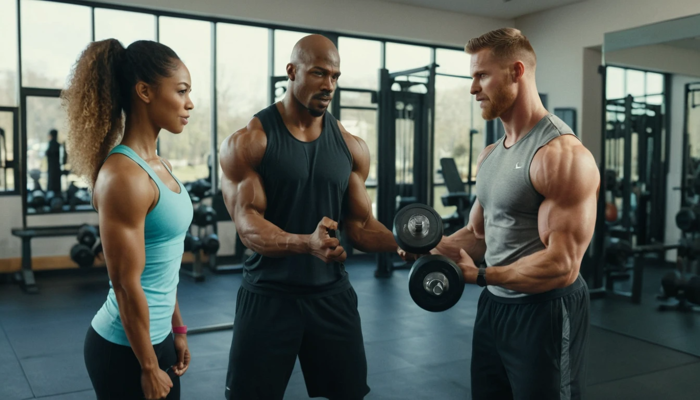
Kettlebell workout guide with moves, tips, and routines to build strength, burn fat, and boost fitness fast.
A kettlebell workout uses a single weighted bell to deliver a full-body training session that builds strength, core stability, and cardiovascular fitness in one efficient routine.
Kettlebell Workout Power Blueprint
Have you ever felt stuck in a gym rut, doing the same machines and wondering if there’s a smarter way to train? Well, a kettlebell workout might just be the game-changer you need. It offers big results in less time, improves your strength and cardio together, and works your whole body in ways that feel fresh and fun.
Understand The Search Intent
Most people typing “kettlebell workout” are looking for how to use a kettlebell: what moves to do, how to structure a routine, what benefits they’ll get, and how to avoid injury. They may be beginners or intermediate and want actionable advice. So this article will:
- Explain the benefits of kettlebell training.
- Show key exercises and proper form.
- Provide sample routines for different levels.
- Give tips for choosing weight, staying safe, and tracking progress.
- Cover common questions people ask about kettlebell workouts.
Why Use A Kettlebell Workout?
If you want to get stronger, build sleek muscle, boost your cardio, and train smart, a kettlebell workout delivers. Because the weight is off-balance, you engage stabilizers, core, hips — more than just lifting a dumbbell. Research shows kettlebell training improves strength, power, endurance, and coordination. And yes — you can burn serious calories in a short time.
What Do You Need For A Kettlebell Workout?
Here’s a quick overview of the gear and setup:
- A kettlebell (start light and work your way up).
- Enough floor space (just a yoga mat-sized area).
- Good footwear (or bare feet if comfortable).
- A bit of warm-up time and cool-down stretch.
- Basic familiarity with hip hinge, squat, and press mechanics.
Equipment Comparison
| What You Use | Why It Works | Tip |
| Single kettlebell | Versatile, space-efficient | Choose weight so form is perfect |
| Flat, stable floor | Helps with balance & safety | Avoid slippery surfaces |
| Timer or stopwatch | For circuits or HIIT style | Keep rest intervals consistent |
Choosing The Right Kettlebell Weight
Picking the correct weight makes all the difference. Use this as a guideline:
- If you are beginner, choose something you can manage with good form for 8-12 reps.
- For intermediate, pick a weight you can swing or press for 12-20 reps with challenge.
- Always prioritize form over heavy weight — poor form invites injury.
Weight Recommendations
| Level | Typical Weight Range* | Warning |
| Beginner | Women: ~8-18 kg / Men: ~12-24 kg | Don’t go too heavy too fast |
| Intermediate | Increase by ~4-6 kg when ready | Form must still be controlled |
| Advanced | Higher weight + complex moves | Ensure you’ve mastered fundamentals |
*Weight will vary hugely depending on your body size & strength.
Warm-Up And Mobility Before Starting
Before you dive into a full kettlebell workout, you’ll want to prime your body. Do 5-10 minutes of:
- Hip hinges and light swings (no weight or very light).
- Shoulder circles and arm swings.
- Leg and glute activation (bodyweight squats, lunges).
This prepares your hips, core, and shoulders for the upcoming moves and helps reduce injury risk.
Key Kettlebell Exercises (With LSI Keywords: swings, goblet squat, clean & press)
Here are foundational moves that you’ll want to include in your routine:
- Kettlebell Swing
The iconic move of kettlebell workouts.
- Hinge at the hips, keep your back flat, and swing the bell from between your legs to chest level (or overhead if advanced).
- Focus on using your glutes and hamstrings — let your arms just guide the bell.
This improves power, strength, and cardio in one.
- Goblet Squat
- Hold the kettlebell by the horns at chest height.
- Squat down keeping your chest upright, then push through your heels to stand.
Great for lower-body strength and core stability.
- Kettlebell Clean & Press
- Clean the bell to your shoulder (or rack position).
- Press overhead, then carefully lower.
This is a full-body move that boosts upper body strength and coordination.
- Single-Arm Kettlebell Row
- Place one knee and hand on a bench (or stable surface).
- Row the kettlebell with the free arm.
Helps correct imbalances and strengthen your back.
- Turkish Get-Up
- From the ground, hold the kettlebell overhead and stand up slowly, then reverse.
- This movement pattern builds mobility, stability, and core control.
High skill level — use light weight at first.
Sample Kettlebell Workout Routines
Here are routines you can follow depending on your experience and goals:
Beginner Routine
- Warm-up: 5 min
- Circuit (2 rounds):
- 10 kettlebell swings
- 8 goblet squats
- 6 clean & presses (per side)
- 8 rows (per side)
- Cool-down: 5-10 min stretching
Intermediate Routine
- Warm-up: 5 min
- Circuit (3 rounds, minimal rest):
- 15 kettlebell swings
- 10 goblet squats
- 8 clean & presses (per side)
- 12 single-arm rows (per side)
- 5 Turkish Get-Ups (per side)
- Cool-down: 5-10 min
Advanced Routine (HIIT Style)
- Warm-up: 5-10 min
- Tabata or timed rounds:
• 30 sec kettlebell swings / 15 sec rest
• 30 sec goblet squat jumps / 15 sec rest
• 30 sec clean & press (fast) / 15 sec rest
• 30 sec rows (alternating arms) / 15 sec rest
Repeat for 4-5 rounds. - Cool-down: 10 min
Benefits You’ll Get From A Kettlebell Workout
Here’s why you’ll stick with it and see results:
- Builds full-body strength (core, glutes, back, shoulders)
- Boosts cardiovascular fitness while you train strength.
- Improves mobility, balance, coordination — because of the dynamic moves.
- Efficiency: get a high-impact workout in less time.
Common Mistakes (And How To Avoid Them)
Even the best kettlebell workout won’t work if you’re doing it incorrectly. Watch out for:
- Using too heavy a weight too early → poor form, risk of injury.
- Squatting the swing instead of hinging at the hips → reduces effectiveness.
- Rushing through reps without engaging core or stabilizers.
- Ignoring mobility and flexibility → leads to tight hips/shoulders.
- Not allowing enough recovery between workouts.
Progression: How To Get Better Over Time
To make your kettlebell workouts more effective:
- Track your reps, weight, and time each session.
- When you can complete a set easily, increase weight or reps.
- Add variety: different exercises, unilateral moves, circuits.
- Include rest and recovery — your body needs time to adapt.
- Reassess form, maybe work with a coach or video to refine technique.
Pairing Kettlebell Workouts With Other Training
Kettlebells don’t have to replace your entire workout plan — they can complement it:
- Use kettlebell circuits on cardio or conditioning days.
- On strength days, include kettlebell moves for warm-up or finisher.
- Combine with mobility routines for recovery.
- Use one kettlebell session + one other modality (machine, bodyweight, yoga) per week.
Safety Tips & Best Practice
Stay safe and train smart:
- Always warm up beforehand and cool down afterwards.
- Keep a neutral spine, engage your core, and control the kettlebell at all times.
- If you feel pain (sharp, not muscle burn) stop the move.
- Make sure you have enough space around you — swinging kettlebell needs clearance.
- Beginners: consider getting instruction or using very light weight first.
Safety Checklist
- Flat, stable surface
- Firm grip on the handle
- Footwear or barefoot with good ground feel
- No distractions (phone down!)
- Breathing: exhale on effort, inhale on return
Tracking Results & Staying Motivated
It’s easy to see progress if you track a few things:
- How many rounds you complete in a set time.
- How your body feels: more stamina, less fatigue.
- Body changes: leaner, stronger, better posture.
- Performance markers: heavier weight, more reps, advanced moves mastered.
Celebrate small wins: maybe you just did your first 10 full swings without fatigue.
Summary
If you’re ready to shake up your routine and get a workout that delivers strength, cardio, and stability all at once — the kettlebell workout is for you. It’s efficient, versatile, effective, and fun. Start with the right weight, learn the key moves, build progressively, and stay safe. Your body will thank you.
FAQs
What kettlebell weight should I start with for full-body workouts?
Start with a weight you can control for 8-12 reps without sacrificing form. Increase when you can complete sets easily and still feel challenged.
How often should I do kettlebell workouts per week for fat burn?
Aim for 2-3 sessions per week, allowing rest days between to let muscles recover and adapt.
Can I build muscle using a kettlebell workout at home only?
Absolutely — kettlebell exercises engage big muscle groups and stabilizers. With proper load and consistency, you’ll see lean muscle growth.
Is it safe to include kettlebell workouts for beginners with limited gym equipment?
Yes — kettlebells are compact and versatile. Starting light, focusing on form, and keeping the space clear makes it beginner-friendly.
What are the best kettlebell exercises for full-body strength and cardio?
Prioritize moves like the kettlebell swing, goblet squat, clean & press, single-arm row, and Turkish get-up — these train strength and cardio while engaging core and stabilizers.