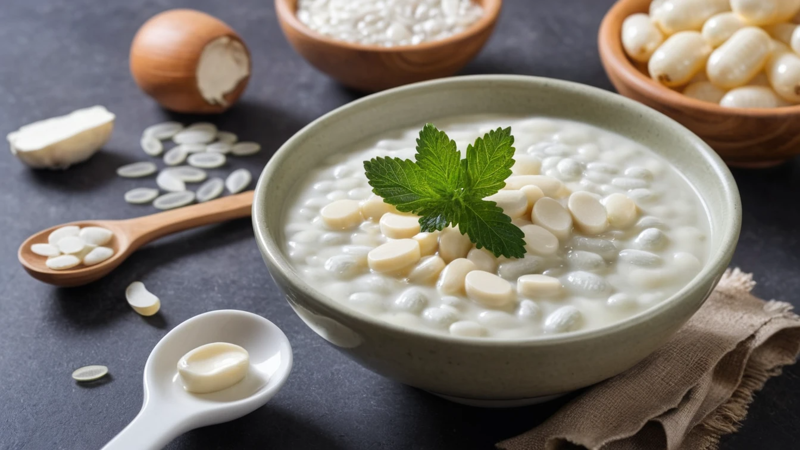
Oat vs almond milk — discover benefits, taste, nutrition, and the best pick for your lifestyle in this simple, friendly guide.
Oat vs almond milk comes down to nutrition, taste, sustainability, and dietary needs. Oat milk is creamier and higher in carbs, while almond milk is lighter and lower in calories. Your best choice depends on health goals, allergies, and preference.
Oat Vs Almond Milk: Which One Truly Fits Your Lifestyle? ✨
Have you ever stood in the grocery aisle staring at plant milks and wondered, “Which one is actually better for me?” You’re not alone. With oat and almond milk taking over shelves, picking the right one can feel surprisingly confusing.
Let’s clear things up—right now. When comparing oat vs almond milk, the best choice depends on what you value more: creaminess, calories, sustainability, allergies, or nutrition. Both have strengths, but they shine in different ways. Below, we’ll break everything down in a simple, friendly, and super helpful way.
Nutrition Breakdown: How Do Oat And Almond Milk Compare?
When you compare these two, the first thing people notice is how different their nutrition profiles are. Oat milk tends to be richer in carbs, while almond milk is lighter and low-calorie.
Oat milk is made from whole oats, so it naturally carries more fiber and starch. This is why it feels thicker and sweeter. Almond milk, on the other hand, comes from blended almonds and water, giving it a thinner texture and fewer carbs.
Both can be fortified with vitamins like B12, D, and calcium. This means the brands you choose also matter because not all plant milks are created equal.
Comparison Table: Oat Milk vs Almond Milk (Per 1 Cup)
| Feature | Oat Milk | Almond Milk |
| Calories | 120–150 | 30–60 |
| Carbs | High | Low |
| Protein | Moderate | Low |
| Texture | Creamy | Light |
| Best For | Coffee, smoothies | Weight loss, cereal |
Taste And Texture: What Feels Better In Your Mouth?
Taste is a huge deciding factor. If you love creamy, rich textures, oat milk might become your new best friend. Its natural sweetness makes it perfect for lattes and smoothies.
Almond milk tastes nuttier and more subtle. Some people love that clean, refreshing feel. Others say it tastes “watery,” especially if they’re used to whole milk.
Think about how you use your milk every day. Want a thick latte? Go for oat milk. Want a light drink with cereal? Almond milk has your back.
Calories And Weight Goals: Which Milk Supports Your Diet Better? ⚖️
If your main goal is weight loss, almond milk typically wins. With fewer calories and minimal carbs, it can help you stay in a calorie deficit without feeling deprived.
But if you want something more satisfying with natural thickness, oat milk may keep you full longer. That feeling of fullness can help too, especially for breakfast lovers.
Always check for added sugars. Some brands sneak in sweeteners that can completely change the calorie count.
Carbs, Sugar, And Blood Sugar Impact
Oat milk contains more carbohydrates, which means it impacts your blood sugar differently. For people monitoring glucose levels, this can be an important factor.
Almond milk usually has almost no carbs unless it’s flavored or sweetened. If you’re watching sugars or following a low-carb lifestyle, almond milk might make more sense.
Even unsweetened oat milk has natural sugars from oats. So always look for the “unsweetened” label if sugar is a concern.
Protein Levels: Which One Gives You More Fuel?
Plant milks aren’t known for high protein, but there are differences worth noting. Oat milk tends to offer a bit more protein because oats naturally contain more than almonds.
However, neither option comes close to dairy milk or soy milk for protein content. If protein matters to you, look for fortified “high protein” versions.
Both can still work great in smoothies, where you can add protein powder or nut butters for extra nourishment.
Fiber Content: The Secret Benefit Of Oat Milk
One thing oat milk truly excels at is fiber. Since oats are naturally rich in beta-glucan fiber, the milk contains more than almond milk does.
Why does this matter? That fiber can help keep your digestion smooth, reduce cholesterol levels, and increase fullness. Your gut will thank you.
Almond milk has almost no fiber because most of the almond pulp gets strained out. So if fiber is key for you, oat milk becomes an easy winner.
Fiber Comparison Table
| Milk Type | Fiber Content | Benefit |
| Oat Milk | Higher | Better digestion + fullness |
| Almond Milk | Very Low | Light, low-cal option |
Allergies And Sensitivities: Which One Is Safer For You?
Nut allergies are common, making almond milk not suitable for many people. If you’re allergic to nuts, oat milk becomes the clear choice.
But oat milk can be a problem if you’re sensitive to gluten. Most brands use gluten-free oats, but it’s still something to check on the label.
Both options are lactose-free, dairy-free, and vegan-friendly, so they work great for people avoiding dairy altogether.
Environmental Impact: Which Milk Helps The Planet More?
Both almond and oat milk are more eco-friendly than dairy milk, but their impacts differ.
Oat milk uses less water overall, making it the greener choice for many people. Almond milk requires large amounts of water to grow almonds, especially in dry climates.
However, almond milk typically has lower carbon emissions than dairy milk. So both are still positive choices for the environment.
Taste In Coffee: Which Milk Makes A Better Latte? ☕
If you’re a coffee lover, this section might decide everything. Baristas often choose oat milk because it froths beautifully and blends smoothly without separating.
Almond milk can sometimes split in hot coffee and may taste slightly bitter when heated. Some barista blends do better, but oat milk remains the champion for foam lovers.
If you like a creamy latte with a mild natural sweetness, oat milk will likely steal your heart.
Cooking And Baking: Which One Works Better In Recipes?
Oat milk performs well in baking because of its natural thickness. Pancakes, muffins, and creamy sauces turn out beautifully with it.
Almond milk works great in lighter recipes—like overnight oats, chia pudding, or smoothies. If your dish needs richness, almond milk may feel too thin.
Both are versatile, so you can experiment to see what fits your cooking style.
Cost And Availability: Which One Fits Your Budget?
Oat milk is often slightly more expensive because of the processing involved. Almond milk tends to be cheaper and available in more budget-friendly store brands.
However, this depends on where you shop and whether you choose refrigerated or shelf-stable versions. Discounts, organic options, and barista blends also affect price.
If cost is a priority, almond milk may give you more value for your dollar.
Health Benefits: Which Milk Supports Your Wellness Goals?
Here’s a quick look at some potential benefits from each:
Oat Milk Benefits:
- Supports gut health due to fiber
- Creamy and satisfying texture
- Great for heart health thanks to beta-glucans
Almond Milk Benefits:
- Low calorie and great for weight control
- Naturally low carb
- High in vitamin E for skin health
Neither is necessarily “healthier” overall—they just support different goals.
Wellness Benefits Comparison Table
| Benefit | Oat Milk | Almond Milk |
| Gut Health | ⭐⭐⭐ | ⭐ |
| Weight Loss | ⭐⭐ | ⭐⭐⭐ |
| Heart Health | ⭐⭐⭐ | ⭐⭐ |
| Skin Health | ⭐⭐ | ⭐⭐⭐ |
Sustainability And Farming Practices
If you care about where your food comes from, you may appreciate how oats grow with fewer pesticides and require less land.
Almond farming is water-intensive, especially in California, where droughts are common. This raises concerns about long-term environmental sustainability.
Still, both are more eco-friendly than dairy farming by a wide margin.
Added Sugars And Flavors: What Should You Watch Out For?
Brands love adding flavor, sweetness, and stabilizers to plant milks. This can change everything—from calories to texture.
Look for:
- Unsweetened versions
- Short ingredient lists
- No artificial flavors
- Minimal gums or thickeners
Sweetened oat milk can taste like a dessert, but it may completely derail your calorie goals .
So… Which Milk Should You Choose?
Here’s a simple guide to help you decide:
Choose Oat Milk If:
- You want creaminess and thickness
- You love lattes and frothy drinks
- You want more fiber
- You prefer a sweeter taste
Choose Almond Milk If:
- You want fewer calories
- You follow a low-carb lifestyle
- You like a light, subtle drink
- You want something more budget-friendly
There’s no wrong choice—only the one that fits your lifestyle best.
Conclusion: The Winner Depends On You
When comparing oat vs almond milk, it turns out each one offers something unique. Oat milk brings creaminess, fiber, and amazing coffee performance. Almond milk offers fewer calories, a lighter feel, and a nutty charm. The best pick depends on what matters most to you—flavor, nutrition, budget, or diet.
You might even find that you use both for different things. And honestly? That’s what most people do.
FAQs
Is oat or almond milk better for weight loss?
Almond milk is usually better for weight loss because it’s low in calories and carbs. Oat milk is more filling but higher in calories. Choose based on your daily calorie goals.
Which milk is healthier for daily use?
Both are healthy in different ways. Oat milk helps with fiber and fullness, while almond milk helps reduce calories. Pick the one that supports your lifestyle habits.
Does oat milk taste sweeter than almond milk?
Yes, oat milk has natural sweetness from oats, which many people love in coffee. Almond milk tastes nuttier and lighter. Your choice depends on flavor preference.
Is oat milk good for people with nut allergies?
Absolutely. Oat milk is nut-free, dairy-free, and great for most allergies. Just check the label for gluten if that’s a concern.
Which milk is better for lattes?
Oat milk wins for lattes because it froths easily and stays creamy. Almond milk can split in hot drinks. Baristas often prefer oat milk for consistency.